Palouse Outdoors – Hunting Late-Season Snowshoe Hares

Originally Published in The Waitsburg Times, February 1st, 2024.

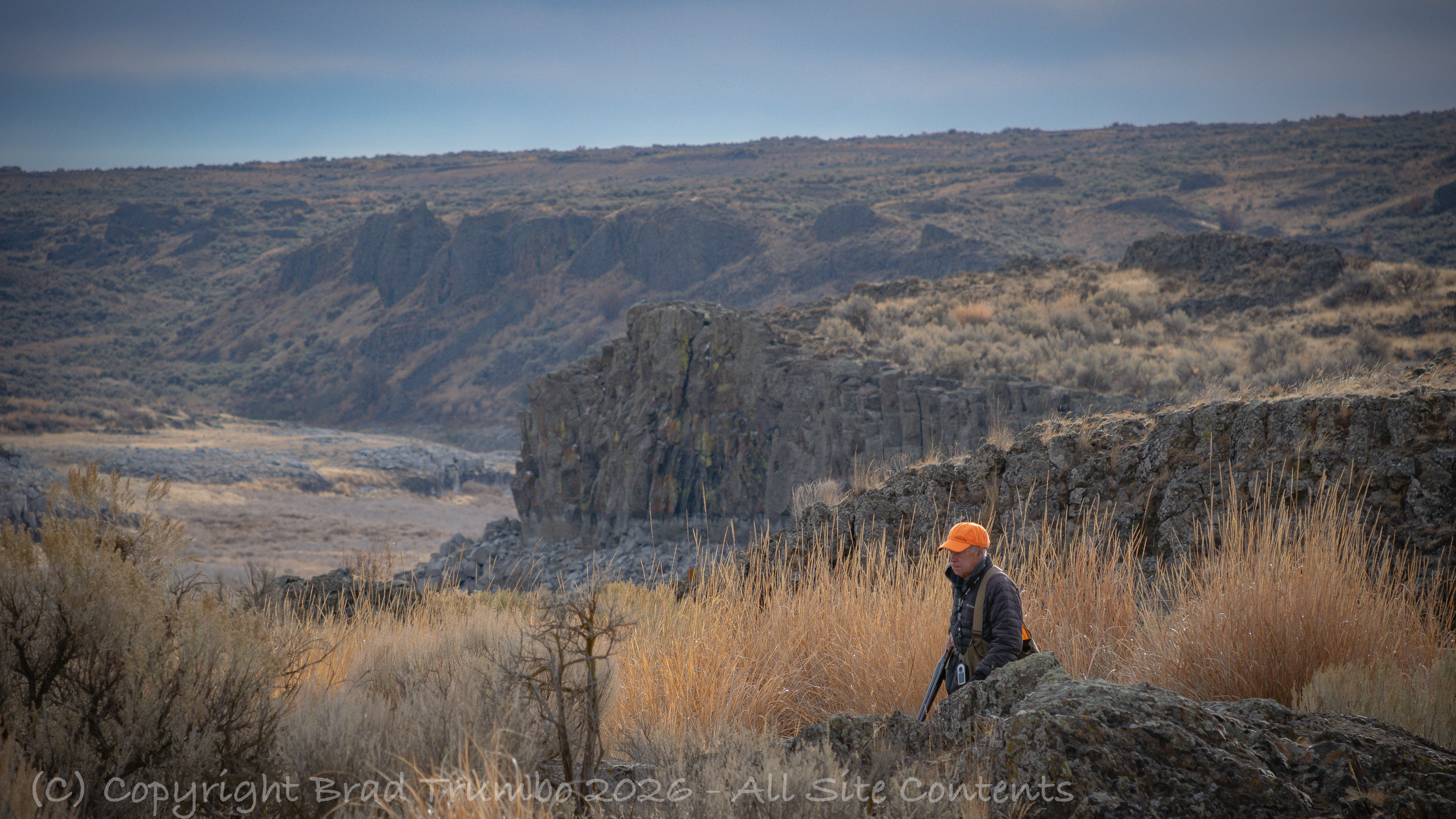
The end of the upland bird and waterfowl seasons in the early part of the calendar year comes with bittersweet closure, but as time ticks further beyond that last hunt, the urge to venture afield pulls harder, like an increasing magnetic force. Fortunately, small game seasons often run into March, bridging that early spring gap before the wild turkey opener. Early March can be a fine time to venture afield with bluebird days forecasting imminent spring weather, which is precisely why I seek the mixed timber stands when the March sun breaks through the Washington freezing fog.

Snowshoe hares are among the most abundant and widely distributed mammals in North America and are among the small game that can be hunted after other seasons close. They inhabit coniferous and boreal forests throughout the Pacific Northwest, New England, Alaska, Minnesota, Michigan, and Montana. However, hunting snowshoe hares comes with its challenges, like accessing high-elevation habitat. 
Six feet of snow piled atop the Forest Service gate that separated me and my friends Doug and Rob from our mountaintop destination. With snowshoes, it would have taken the rest of the day to make the hike, which is typically another thirty minutes by vehicle on a summer day. Walking to the rig behind me, I smirked through the window.

            “What do ya think? Chain up and give it hell?” I asked wryly. 

            “You first!” Doug replied with a nervous chuckle.

The wall of snow required the quick formulation of “Plan B,” which necessitated creativity. Also, Rob didn’t have snowshoes, so we would have to stay at a low elevation. We would leave the deep forest, circumvent a mountain range, and work up the adjacent drainage bottom, although I was skeptical of finding hares below 3,000 feet. 
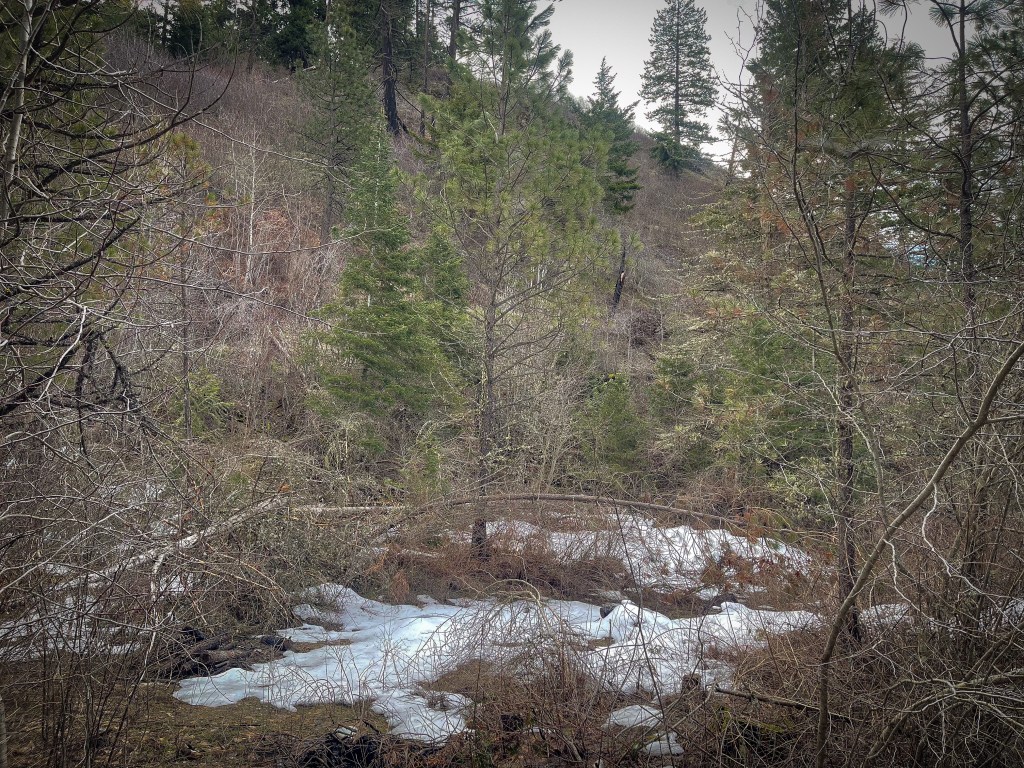
The snow had mostly melted in the creek bottom, save for the toe of the eastern slope, which held the right mix of ferns, fruiting shrubs, and blackberries, packed tight against a steep hillside shaded by eroded basalt bands.  

A gated road sliced through the narrow cover, making walking easy, but passing the one-hour mark with no sign of hares left me complacent. I slipped into the clutches of Mother Nature’s charm, hypnotized by golden sun rays streaming through dark timber. Starbursts of sunlight glistened through water droplets that hung delicately from seafoam-tinted fruticose lichens. Steam rose from thawing frost. The stunning details held my attention as Doug and Rob focused on the hunt.

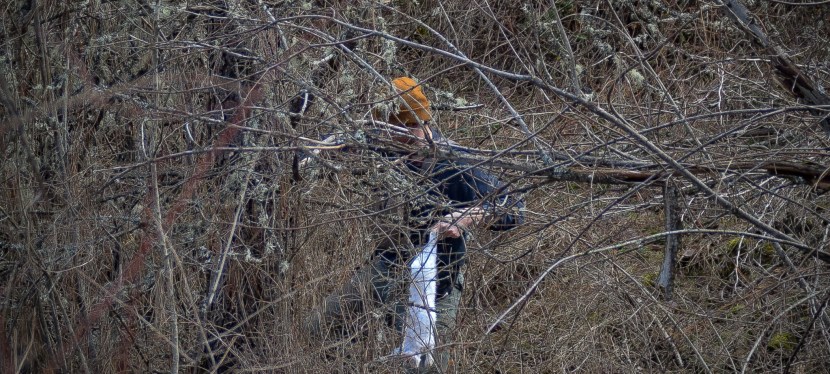
A short distance ahead, Rob walked a line through the thicket where raspberry, rose, and ferns created a dense ground cover. The faint metallic “click” of a gun safety roused my attention while a snow-white hare bounced across the trail directly between Doug and me, leaving us staring at one another in disbelief. 

Doug melted into the timber behind the hare while I back-tracked to find an opening in the greenery. A sudden bark from Doug’s Ithaca .410 single-shot echoed within the tight fir canopy, and he soon reappeared with a wide grin, carrying a beautiful young hare. 
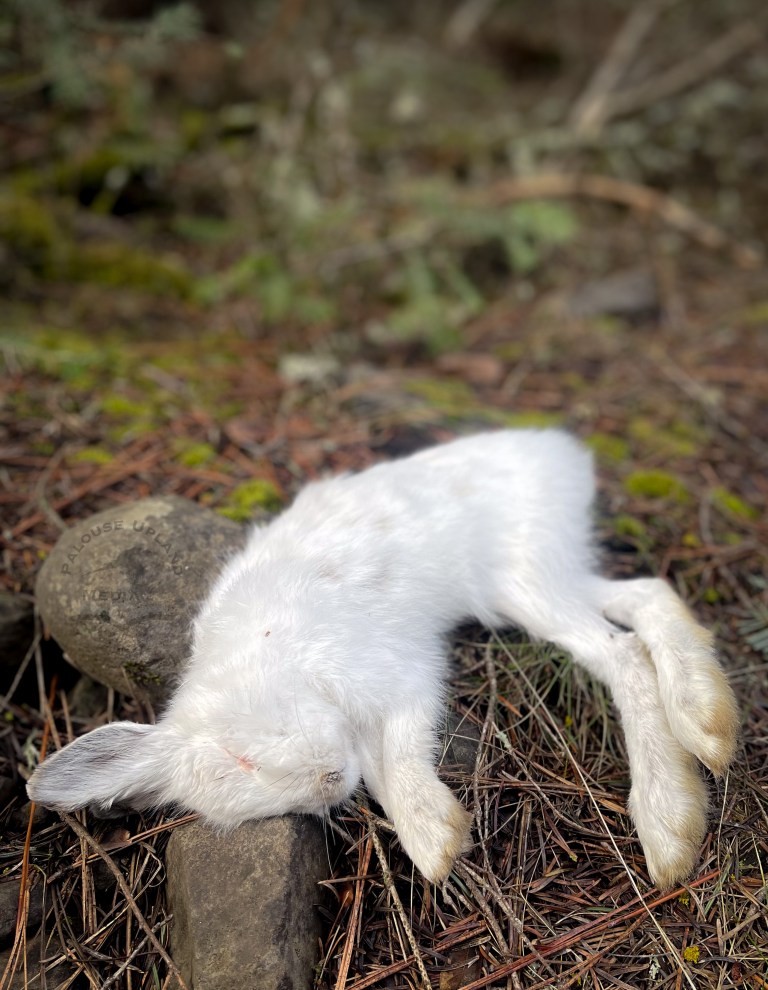
“It took me a moment to figure out why the snow was moving,” Rob said with a laugh as he emerged from the briars and ferns opposite Doug and me. Had the hare not run our way, it may have been Rob’s bunny.

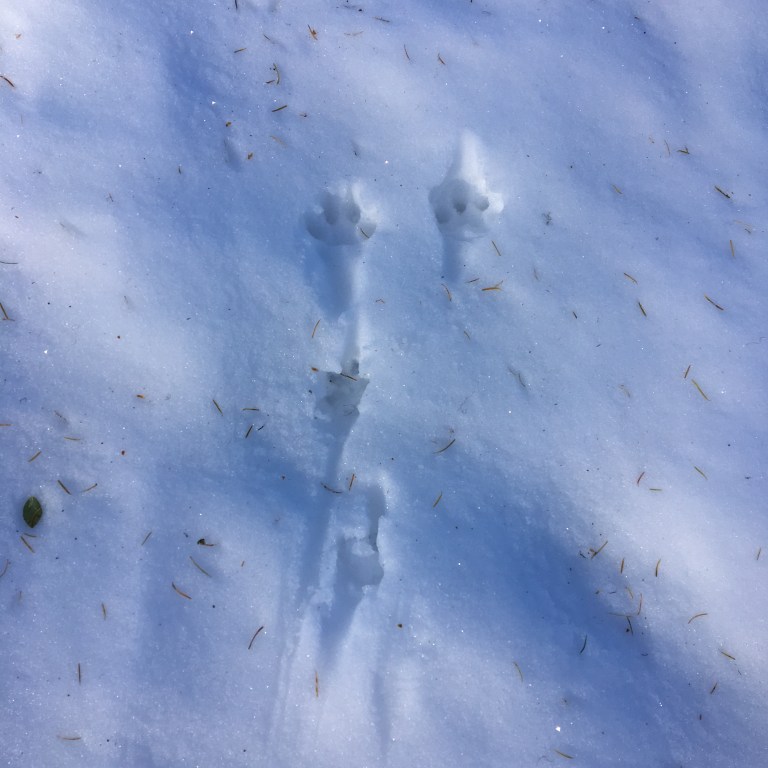
We marveled over the silky softness of the hare’s flawless winter coat and poked fun at its comically large hind feet. A critter well equipped to thrive in deep snow and evade predators like Canada lynx, bobcats, and coyotes.  

Doug swapped places with Rob and moved quickly to the snowy toe of the slope. Moments later, the sudden discharge of his shotgun startled Rob and me. A second hare sat conspicuously beneath a fir just above head height on the slope as Doug approached—a reward for being at the right place and time. 

We called the hunt with two hares in the bag and shared a jovial hike out beneath the warming late-morning sun. That first hunt taught us that elevation is not a singular element in finding hares. The right habitat can be shrubby creek bottoms, given that hares eat twigs, buds, and bark in winter. A mix of deciduous and coniferous forest stands offers a good variety of food sources and cover. 

Look for “browse lines” where hares create trails in heavy snow. Always have a “Plan B,” as conditions and access can change yearly. And never forget your snowshoes.

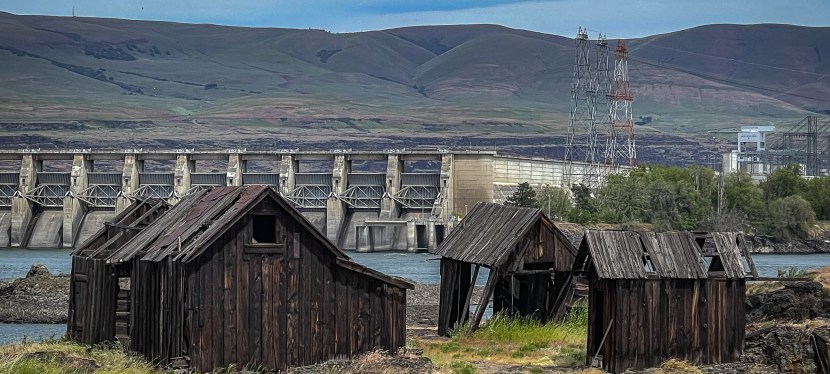
Northwest Outdoor Writers Association Gathered in The Dalles, Oregon

The Northwest Outdoor Writers Association (NOWA) held its annual conference Friday, May 2nd through Sunday, May 4th, at the Columbia River Hotel in The Dalles, Oregon. For three days, some of the Northwest’s top outdoor writers, authors, photographers, videographers, and radio and podcast personalities gathered to discuss the future of their industry and craft.

The conference opened with a fine meal at the Portage Grill, followed by a keynote speech by author, poet, and publisher, Rick Steber, who exemplified excellence in storytelling. Rick is not only gifted in his ability to research people and history and share those stories in engaging detail, but the delivery of his many favorite interviews of historical figures (including voice impersonations) was both comical and fascinating.

Image of the twisting historic Oregon Route 30 taken from Rowen Crest with the Columbia River and the rugged Columbia Gorge in the background.

Trumbo captured this image while hiking at dawn on Rowen Crest just south of The Dalles, Oregon.

Over the following days, NOWA members sprinkled across the Columbia River Gorge to experience all The Dalles has to offer, such as the National Neon Sign Museum, hiking among the wildflowers and scrub oaks of the rugged river corridor, visiting ancient petroglyphs at Horsethief Lake, and fishing the spring Chinook salmon rodeo at Washington’s Drano Lake.

When not collecting memories, photographs, and fodder for future publications and videos, the outdoor media professionals gathered to share tips and tricks on improving one’s engagement and reach – facets of “Excellence in Craft”- and share business model ideas and successes. Excellence in Craft presentations included George Krumm, editor of Fish Alaska and Hunt Alaska magazines, who discussed how to land pitches and build relationships with editors. Brad Trumbo shared his rise in the outdoor writing and photography realm and engagement with his readers, thanks to his Llewellin setter bird dogs.

NOWA held its annual Excellence in Craft awards banquet Saturday, May 3rd, where 61 achievements were recognized, ranging from “Column of the Year” to the best outdoor photos, videos and humor pieces. The awards banquet offers an opportunity to see where talented outdoor content creators stand among their peers, provides “street cred” for marketing, and offers a fine payout for those who rank high in many categories. It’s a coveted experience for this highly talented group to share camaraderie with friendly competition.

This year’s Excellence in Craft award winners can be found here: https://nowaoutdoors.com/eic-winners-by-category/.

Black-chinned hummingbird hovering over a burgundy Columbine flower.

Trumbo’s image of a black-chinned hummingbird hovering over Columbine flowers took 1st place in NOWA’s Excellence in Craft “Fauna” photo category.

The weekend closed with NOWA President Troy Rodakowski presiding over Sunday morning’s membership and business meeting. During this meeting, Rodakowski assumed the position of NOWA’s Chairman of the Board of Directors as he passed the gavel to NOWA’s incoming President, Brad Trumbo. 

With the annual conference behind them, NOWA’s new year begins with anticipation of next year’s conference, which is already being planned. Additionally, Trumbo brings new ideas to NOWA’s structure and attempts to engage younger generations as the organization adapts to the evolution of outdoor media.

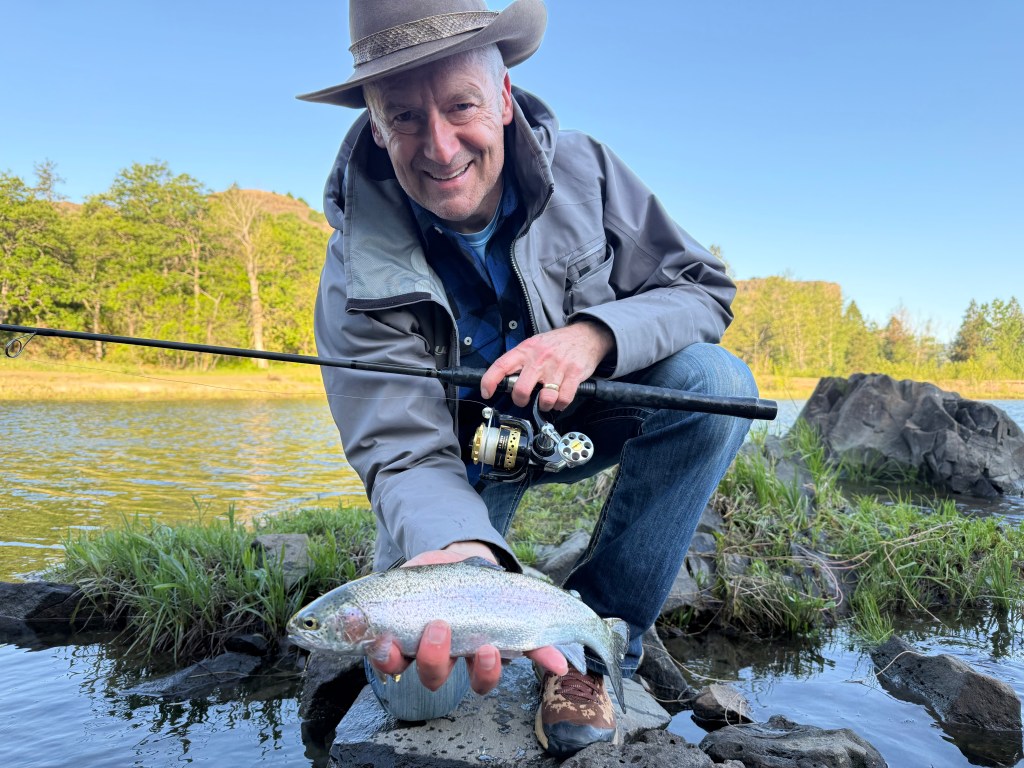
Gary Lewis, award winning author, freelance writer, podcaster, and host of the Frontier Unlimited TV show, found time for trout fishing before the Sunday morning meeting.

If you’re an outdoor content creator living in Oregon, Washington, Idaho, Montana, or BC Canada and want to learn from and contribute to this charismatic and savvy collection of media professionals, email NOWA’s Executive Director, Keith Szafranski, at photogsz@msn.com. Your creativity and energy will be welcomed by this prestigious cadre.

###

            The Northwest Outdoor Writers Association is a society of professional outdoor communicators dedicated to the pursuit of excellence in outdoor media. NOWA strives to further the improvement of professional communications skills and encourage their ethical employment. NOWA also provides a network of professional assistance and support, keeps members informed of news and information pertinent to outdoor activities and industries, and supports the conservation of natural and recreational resources. Visit https://nowaoutdoors.com/ and find us on Instagram @NOWAOutdoors.