Palouse Outdoors – Playing a Royal Flush

Originally Published in The Waitsburg Times, January 6th, 2025.

Some of the best moments of my life have occurred while following the flashing tail of a bird dog through the whipping grouse covers and amber plains. I’ve found the upland hunting community welcoming, and the tales I’ve shared have connected me with friends I would never have known otherwise. Pheasants Forever holds a subset of this community – like-minded conservationists passionate about nature, bird dogs, and the beautifully plumed game birds that fascinate us.

I’ve had the good fortune of experiencing a variety of hunts and dog breeds, each with unique styles, personalities, and quirks. Yet, I had never hunted with golden retrievers before the 2024 season. Fortunately, Randy, a fellow Pheasants Forever volunteer, recently invited me to walk with him and his brace of stunning strawberry blonde golden retrievers to push up pheasant.

Randy’s casual appearance belies his wisdom and character as one of the most interesting people alive. He has traveled and hunted birds widely with his beloved golden retrievers. A 1970s throwback photo of Randy sitting with his dog and a handful of valley quail after a momentous day in Baja was highlighted in the 2024 Pheasants Forever Journal Upland Bird Super Issue, Volume 43(4). Randy has a story for every occasion, hunting or otherwise, but as I followed him and his bouncing pups into the field, our conversation narrowed to strictly business.

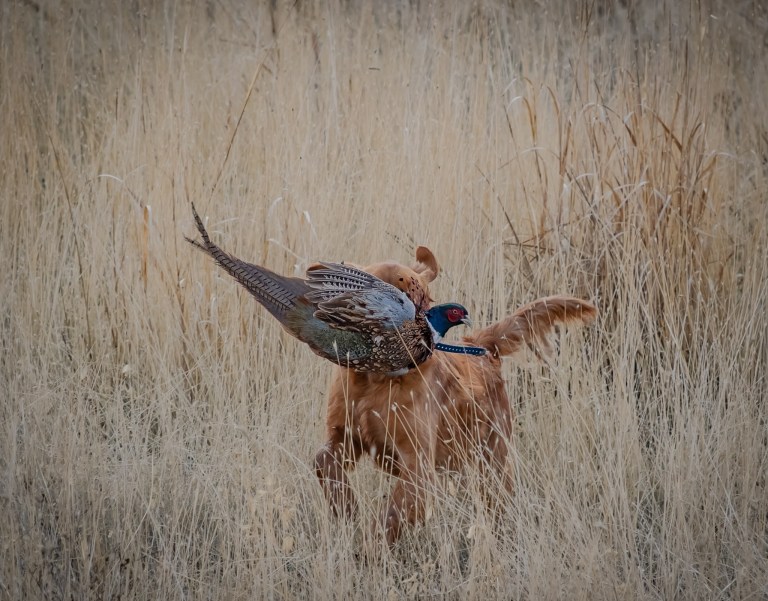
Young golden retriever, Scout, delivers a wily ring-neck rooster to hand.

“I’ve never hunted with flushers, save for a lab or two,” I said. 

“Really?” Randy questioned with surprise. “Well, you’re in for a treat!” Little did I know we would embark on a gentlemanly experience worthy of custom leather boots, twill wool garments, and ivy caps.

Flushing dogs are bred to do just that – find and flush birds. One crucial difference between flushing and pointing dogs like my setters is that flushers must work close to the hunter so the birds get up within shotgun range. Conversely, pointing dogs can range to whatever distance their handler is comfortable because they are bred and trained to stop when they find birds, allowing the hunter to approach and flush. These different dog behaviors also require the hunter to adapt their approach.

“You see the dogs getting ‘birdy’? Get up there fast!” Randy coached.

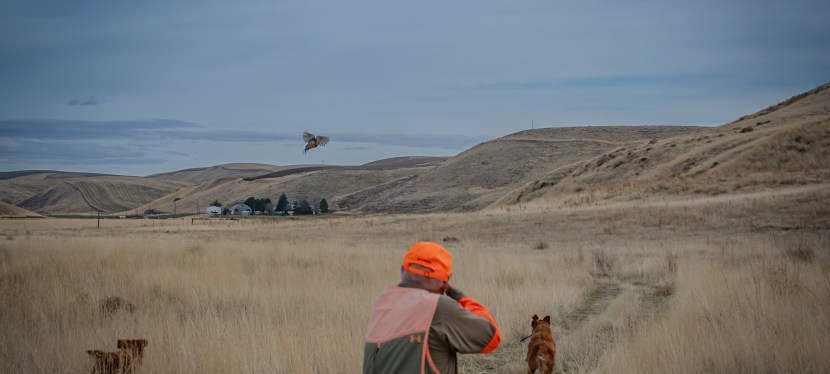
Making a beeline for the youngest dog, Scout, put me in the perfect position as a rooster pheasant broke from Scout’s pursuit. The rooster erupted directly ahead, climbing right-to-left and offering a clean swing. My 1951 C.F. Dumoulin side-by-side arrived at my shoulder with the bead perfectly aligned down range.

“Great shot!” Randy offered as Scout swiftly returned with the bird. 

“Thanks, Randy! My first rooster with the ole Dumoulin. And great dog work! I could get used to having my birds brought to hand. My setters have never cared to retrieve.”

Ten-year-old Tess settles at Randy’s feet with a prized rooster.

“Thank you! I’ll take the next bird,” Randy said with a chuckle as we moved on.

Soon after, Scout and his older companion, Tess, picked up the scent of another bird and began to push out. “Ssssssttt,” Randy quietly hissed, causing the dogs to hit the brakes and circle back toward us – an intelligent bit of training. Keeping quiet is essential to avoid spooking birds, particularly when approaching pheasants. This subtle sound instead of voice, whistle, or collar tone command can be the difference between a rooster flushing at 10 yards versus 100.

“You see how interested they look when they hit that scent? They ramp up to 100 miles per hour instantly, so you’ve got to be paying attention and moving quickly,” Randy advised as he scooted ahead, anticipating the flush. 

Randy carried a beautiful old Browning side-by-side, kept immaculate by his care and appreciation for quality and tradition. I observed Randy’s shot from behind, noting his relaxed technique and lead on the bird. The rooster tumbled, and Tess retrieved it in a textbook moment like a bread-and-butter sports play practiced 1,000 times over.

The hunt continued while Randy and I discussed birds and dogs and switched shooting opportunities with each new bird find. We strolled unhurried, carefree, appreciating every moment. It felt like a hunt for royalty, like we should have had a caddy to tote and reload the guns and serve the occasional sip of fine brandy or rich red wine in a classy sniffer.

By the hunt’s end, we each carried a passel of birds (Randy’s passel a bit heavier than mine) that would later become delicate meals shared with friends and family, sparking reflection on a noble hunt and Randy’s golden retrievers dealing a royal flush.

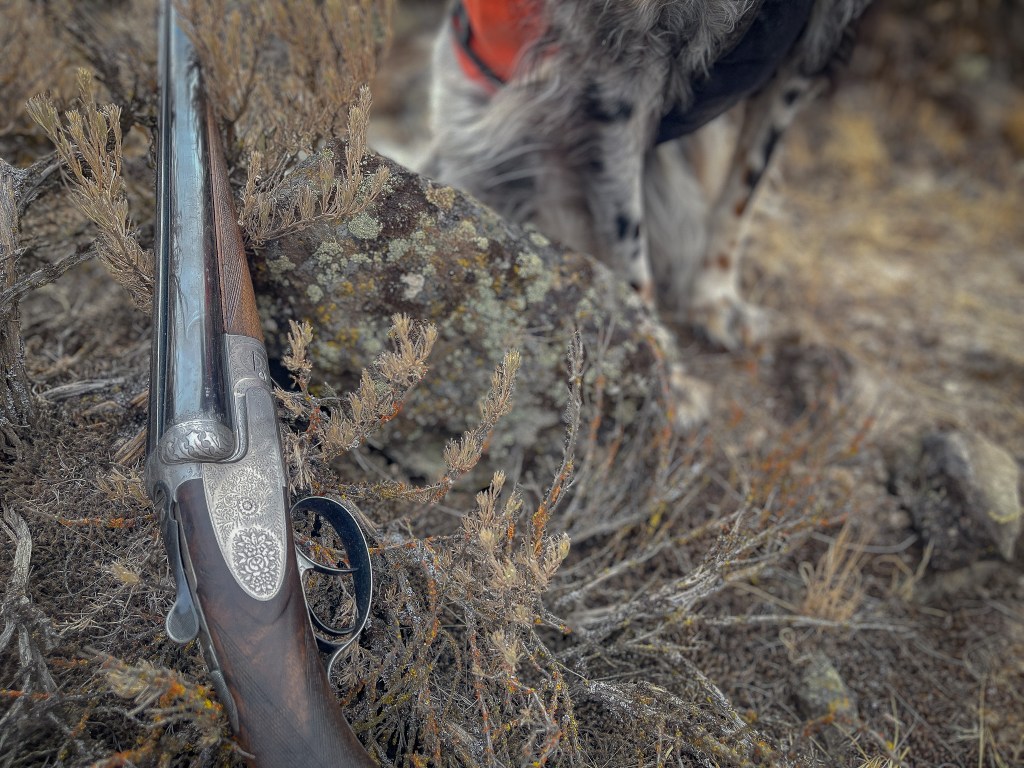
Classic side-by-sides like this 1951 C.F. Dumoulin 16-gauge are fun to carry, fitting of a classy hunt, and beautifully complemented by a brace of roosters.

Northwest Outdoor Writers Association Gathered in The Dalles, Oregon

The Northwest Outdoor Writers Association (NOWA) held its annual conference Friday, May 2nd through Sunday, May 4th, at the Columbia River Hotel in The Dalles, Oregon. For three days, some of the Northwest’s top outdoor writers, authors, photographers, videographers, and radio and podcast personalities gathered to discuss the future of their industry and craft.

The conference opened with a fine meal at the Portage Grill, followed by a keynote speech by author, poet, and publisher, Rick Steber, who exemplified excellence in storytelling. Rick is not only gifted in his ability to research people and history and share those stories in engaging detail, but the delivery of his many favorite interviews of historical figures (including voice impersonations) was both comical and fascinating.

Image of the twisting historic Oregon Route 30 taken from Rowen Crest with the Columbia River and the rugged Columbia Gorge in the background.

Trumbo captured this image while hiking at dawn on Rowen Crest just south of The Dalles, Oregon.

Over the following days, NOWA members sprinkled across the Columbia River Gorge to experience all The Dalles has to offer, such as the National Neon Sign Museum, hiking among the wildflowers and scrub oaks of the rugged river corridor, visiting ancient petroglyphs at Horsethief Lake, and fishing the spring Chinook salmon rodeo at Washington’s Drano Lake.

When not collecting memories, photographs, and fodder for future publications and videos, the outdoor media professionals gathered to share tips and tricks on improving one’s engagement and reach – facets of “Excellence in Craft”- and share business model ideas and successes. Excellence in Craft presentations included George Krumm, editor of Fish Alaska and Hunt Alaska magazines, who discussed how to land pitches and build relationships with editors. Brad Trumbo shared his rise in the outdoor writing and photography realm and engagement with his readers, thanks to his Llewellin setter bird dogs.

NOWA held its annual Excellence in Craft awards banquet Saturday, May 3rd, where 61 achievements were recognized, ranging from “Column of the Year” to the best outdoor photos, videos and humor pieces. The awards banquet offers an opportunity to see where talented outdoor content creators stand among their peers, provides “street cred” for marketing, and offers a fine payout for those who rank high in many categories. It’s a coveted experience for this highly talented group to share camaraderie with friendly competition.

This year’s Excellence in Craft award winners can be found here: https://nowaoutdoors.com/eic-winners-by-category/.

Black-chinned hummingbird hovering over a burgundy Columbine flower.

Trumbo’s image of a black-chinned hummingbird hovering over Columbine flowers took 1st place in NOWA’s Excellence in Craft “Fauna” photo category.

The weekend closed with NOWA President Troy Rodakowski presiding over Sunday morning’s membership and business meeting. During this meeting, Rodakowski assumed the position of NOWA’s Chairman of the Board of Directors as he passed the gavel to NOWA’s incoming President, Brad Trumbo. 

With the annual conference behind them, NOWA’s new year begins with anticipation of next year’s conference, which is already being planned. Additionally, Trumbo brings new ideas to NOWA’s structure and attempts to engage younger generations as the organization adapts to the evolution of outdoor media.

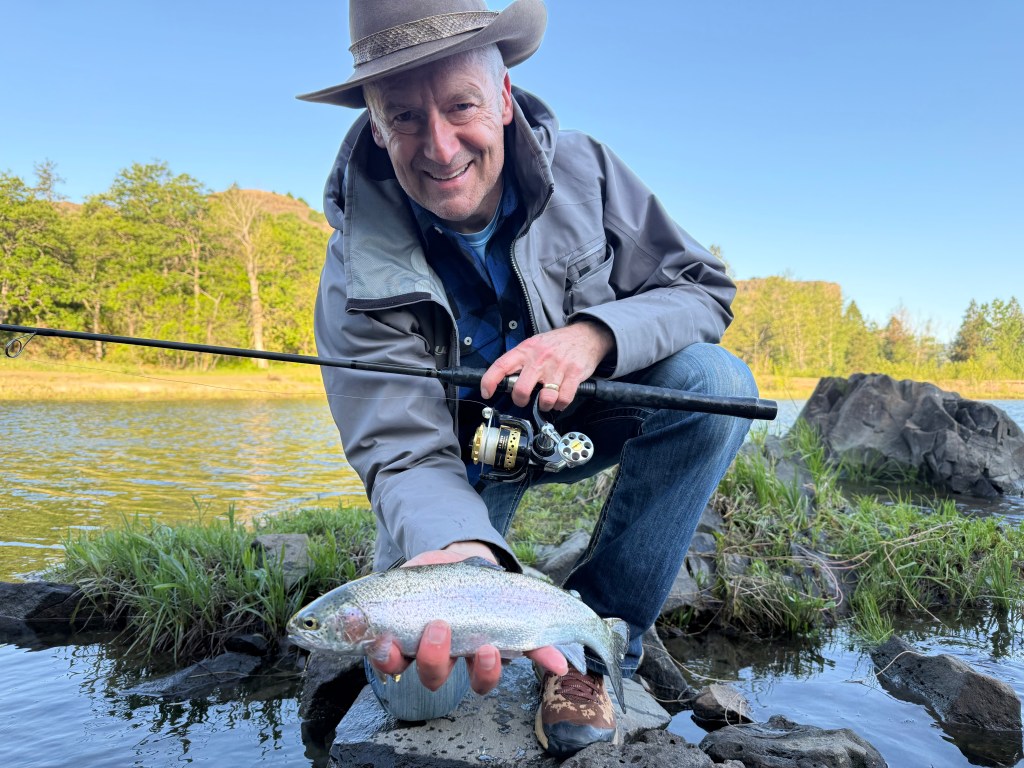
Gary Lewis, award winning author, freelance writer, podcaster, and host of the Frontier Unlimited TV show, found time for trout fishing before the Sunday morning meeting.

If you’re an outdoor content creator living in Oregon, Washington, Idaho, Montana, or BC Canada and want to learn from and contribute to this charismatic and savvy collection of media professionals, email NOWA’s Executive Director, Keith Szafranski, at photogsz@msn.com. Your creativity and energy will be welcomed by this prestigious cadre.

###

            The Northwest Outdoor Writers Association is a society of professional outdoor communicators dedicated to the pursuit of excellence in outdoor media. NOWA strives to further the improvement of professional communications skills and encourage their ethical employment. NOWA also provides a network of professional assistance and support, keeps members informed of news and information pertinent to outdoor activities and industries, and supports the conservation of natural and recreational resources. Visit https://nowaoutdoors.com/ and find us on Instagram @NOWAOutdoors.

Steppe Outside – Home Waters Flow Gentle on My Mind 

Published in the Walla Walla Union Bulletin November 9th, 2024

A mountain trout stream gently winds through the back of my mind. Its headwaters begin near the Oregon border and drop precipitously north. Picking up tributaries as it rolls, the creek reaches third-order status, where it begins building year-round trout habitat. Its twists and turns, log jams, and pools are all familiar. 

My parents would tell you that I was a fishing addict as a kid, which I cannot argue, but the fact that a trout creek flows into my stream of consciousness at the height of the upland bird season is telling. I’ve suffered as a “jack of all trades” my entire life, meaning I find fulfillment in nearly anything fish, wildlife, and outdoors related, especially now with a love for photography. As an adult, however, the closest thing I’ve experienced to addiction is upland bird hunting. 

This trout stream is near home and was my muse before my first setter pup arrived. We saw each other weekly, regardless of whether the fishing season was open. It’s close enough to be worth the trip but far enough to require commitment. Too far for killing a half-hour, but a morning, afternoon, even a whole day can be amply invested.

I cut my trout teeth on the blue lines descending from the George Washington National Forest and Shenandoah National Park. Eventually, one stream took priority – my home stream. The stream that I could see from my parents’ front room vista. It wasn’t the best or easiest fishing around, but it was close and offered a mile of worthy wild trout water. To say that I knew that water well would be an understatement. It was hard to leave it when I moved west, and even harder in 2020 when I caught my last Appalachian brook trout in those stair-step plunge pools. My beloved valley home overlooking the drainage sold a month later. 

The beauty of home waters is the intimacy one can establish with them. It is not entirely different from the intimacy between lovers, although the relationship appears one-sided on the surface. The angler walks the banks, noting the curves, the sweet spots and transition zones, the seasonal moods, where to tread lightly, and where to take charge. Meanwhile, the stream flows with the lifeblood that the mountain feeds it. It rearranges the furniture here and there and thrusts a hip this way or that following the spring freshet, but the angler who pays due diligence is rewarded with more than wild trout.

There’s an old saying that “an elephant never forgets.” I’ve found the same true for bird dogs and trout bums. Bird dogs catalog every bird they’ve ever found and will visit those spots whenever they hunt the same property. Identically, trout fishermen recall every rise and catalog the log jam, flow seam, backwater, or grasses overhanging the run where the hookup occurred. This plays into the intimacy a trout angler develops with their home waters. These are the sweet spots that are revisited time and again. After a few years of fishing their home waters, a trout bum can identify the pools and runs by the sound of the water pouring over rocks and wood.

October is arguably one of the best months for mountain stream fishing—the heat of summer breaks, giving way to seasonal change. The riparian corridor is decorated in autumn gold. Cooler water invigorates the speckled gems fining in the tail-outs and prompts giant October caddis to flutter clumsily over the creek, offering a royal meal as they dip in to lay eggs. I rarely missed an October weekend on the stream in what feels like an alternate life. Now, the opposite is true. 

It had been two Octobers since my last autumn visit. With unusual heat putting the brakes on upland bird hunting plans, my mind scrolled through the many productive uses of time. The notion of fishing the home waters trickled in and caught fire like pouring gasoline on a flame. The only decision was where to start, but the decision was already made. A preferred reach continually lingers upon one’s subconscious, awaiting the opportunity to surface.

My waders swished, and sweat soaked the brim of a blaze orange ball cap as I approached a lesser-fished stretch of water that’s difficult to navigate and has relatively little fishy habitat compared to other reaches. Three specific pools in this reach speak to my flavor of fly presentation when the water is low, and this autumn has been unusually dry. Casts would be short, and line control would be critical.

A thirteen-foot tenkara rod with an equal length of fly line represents an effective, simplistic, centuries-old Japanese fly-fishing method developed for mountain streams. Using the grasses, trees, and woody debris to creep within ten feet of a beautiful log jam pool, I gently flopped an absurdly-sized “stimulator” fly into the still waters beside the flow plunging over the logs. Within seconds, a ten-inch rainbow pounced on the moth-sized fly.

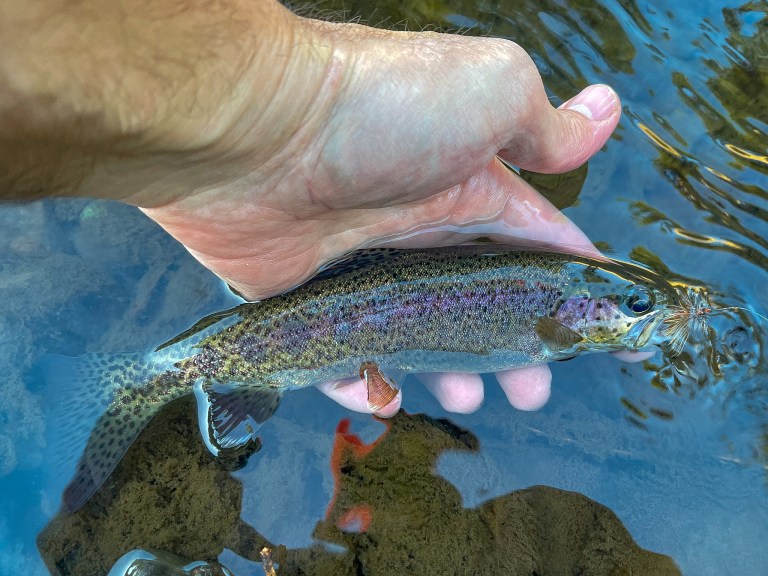
The feisty rainbow came to hand, and like every other from this river, the deep purple of the lateral line and olive-shaped parr marks beneath a dusting of black speckles presented a masterful work of art. I studied the fish briefly, admiring its features and glistening silver, gold, and olive scales, each individually defined. Then, freeing the fish from the fluffy fly, it darted back into the shadow of the log.

Trout are a marvel of nature regardless of the time of year, but mountain stream trout glow with a particular radiance in fall, as if reflecting the seasonal color change of the riparian flora. They are muscular from a spring of high water and spawning, and a summer of eating hoppers, caddis, and stoneflies. Their rise is deliberate, calculated, and executed with precision and efficiency to avoid expending energy unnecessarily.

Rainbows have risen to a fly in this pool for years, but the pool wasn’t always present. Before stream restoration efforts, this reach was characterized by shallow riffles and slightly deeper runs with little wood or boulder cover and no pools. Juvenile Chinook salmon and tiny rainbows rose to any small fly along the flow seams, but bigger fish were few and far between. Fortunately, constructed log jams and the 2020 flood cooperated to provide more quality habitat throughout the mainstem.

Having fished mountain trout streams across nearly a dozen states and 3,000 miles in several directions, I can offer that good water is good water, regardless of where you fish. Sometimes, that’s easy to describe. Other times, the popular cliché “when you know, you know,” is all there is to be said. Fly placement is somewhat universal, born of experience reading water and, occasionally, dumb luck. Deciding which to thank for a trout rise is hard, but experience pays on home waters. 

“I bet that fish spooked the entire pool,” I thought, confident that no other fish would bite after blowing up the thirty-six-square-foot pocket of skinny flow. “Well, what the hell. I’m here,” I thought, flopping the now waterlogged fly into a tucked-away spot slightly closer to the shore where I stood.

Using the rod’s length to keep the line high and the fly afloat, I bounced the fly atop the water like an October caddis laying its eggs. To my surprise, another similar-sized rainbow rose for the fly. It’s possible that another seasoned angler could find equivalent success on a new waterbody in a scenario like that. Still, I take comfort in telling myself that an unlikely second fish rose because I know how to fish “my stream.” 

 The following pools fished the same, and I even discovered a new side channel pocket that has scoured over the past several years to form a beautiful bend pool. I had seen that side channel before but ignored it for bigger water. The pocket is exceptionally tight, with no casting room. I merely dangled the fly from a high stick posture about ten feet away, tempting a rainbow to emerge from nearly underfoot to inhale the fly. 

“This will never work. It’s too close,” I thought as I laid the fly on the water’s surface. Being wrong isn’t always bad.

My visit was brief. Just long enough to land a half-dozen gorgeous rainbows. Glenn Campbell’s “Gentle on My Mind” aptly played in my subconscious in time with the tumbling water. 

In his most recent and final book, “Dumb Luck and the Kindness of Strangers,” renowned fly-fishing author John Gierach explicates on his home waters, as in many of his twenty-one previous volumes.

“On rare days, it’s something as vague as a quality of light or certain stillness in the air that seems to make the water vibrate with possibility, but I think that’s less mystical than it sounds. It’s just that some of the things you know about your home water operate beneath the level of full consciousness and only reveal themselves disguised as intuition.”

Gierach’s experience came from intimately knowing his home waters, and his gift for sharing that intimacy through a conversational read inspired generations of fly anglers, myself included. There’s something to be said about the feeling one gets when standing streamside, influenced by the sun, temperature, breeze, cloud cover, and the carefree notion of having already succeeded in the endeavor without yet wetting a fly.

Catching fish in the home waters is not the point but is generally accepted as a scientific law. “If” is not a question, nor is the fish the reward. Wild turkey hens shepherd their chicks through the upland riparian edges among violet lupine in spring, and birdsong envelopes the stream. Ruffed grouse drum, valley quail call from the blackberry tangles, and black bears gorge on the sweet, dark berries. Salmon flies and October caddis predict the seasons, and a number sixteen Adams is always welcomed. Somewhere between the roar of the rushing waters and a pointed focus on landing the fly in “the spot on the spot,” one’s true self appears, completely at ease, in a world secluded from reality—a state of being achieved only on the home waters. 

While I don’t spend nearly the time on my stream compared to a decade ago, our relationship is steadfast. I’ve learned her language. She patiently awaits, her waters forever flowing gentle on my mind.

Footnote – John Gierach died on October 3rd, 2024, at age 77. An average man with an appreciation for the average angling experience and hot coffee, he possessed an extraordinary ability with words and inspiration. This story presents a style slightly different than Trumbo’s norm. A tip of the hat to Gierach for developing friendships with his readers by writing as if he were engaged in conversation.

Gift Guide for the Discernible Outdoor Enthusiast

Originally Published in Walla Walla Lifestyles Magazine, November 2024.

Crisp air, pumpkin ale, fresh-squeezed apple cider, and hunting seasons have finally returned, and you know what that means. Yes, we are living our best months of the year, but this time train we all ride is screaming toward Christmas and holiday shopping. If you have an outdoors enthusiast in your life who is “hard to shop for,” i.e. buys whatever gear they need when they need it and has a particular taste, here are a few ideas that might be right up their alley.

Vintage Shotguns

This beautiful 1951 Belgium-made CF Dumoulin 16-gauge is a fine and affordable vintage double for the traditional upland bird hunter.

Nearly every upland bird hunter dreams of carrying a vintage double-barrel shotgun. Whether their fascination originated at a young age with a family heirloom or the quality craftsmanship of vintage guns connects them to a long-standing tradition, bird hunting with a piece of American sporting heritage enhances the experience. Maybe your bird hunter has a particular brand in mind, like an A.H. Fox, L.C. Smith, Lefever, or Ithaca. Each of these can be found online and at gun shops with regularity. The Spokane area has several gun shops with a good selection of used shotguns. They even turn up in Cabela’s “Gun Library” from time to time.

I was browsing the Eugene, Oregon, Cabela’s once for no particularly good reason when a long, pewter-colored side-by-side caught my eye. It was a beautiful L.C. Smith Field Grade 00 made in 1911. I asked to see the gun out of curiosity, assuming the price tag was above my pay grade. Conversely, the gun was affordable due to a small dent in the left barrel and a refinished stock. Playing it cool, I haggled a little (yes, that’s acceptable), noting the dent and stock work, then strolled out with the superb specimen sporting an action smoother and tighter than any newer gun that I own. Whenever I swing the “Elsie” on a passing quail, I feel giddy, like it’s stolen property. The bird hunter in your life would likely feel the same.

A great source of information and where to find “hot buys” for vintage double guns is at dogsanddoubles.com.

Custom Knives

This pair of small, packable, attractive knives from the Upland Knife Company are a fine addition to any hunter’s gear collection.

Speaking of craftsmanship, all outdoorsy folks need a quality knife or two—maybe three. Knives are a dime a dozen from any typical outdoor retailer, but the blades are often made of lesser-quality steel and fail to hold an edge or take one when sharpened. Fortunately, there are knife makers nearby with a fine reputation.

Three custom knives from the same maker in Hamilton, Montana, are floating around in my upland hunting gear. Two are lightweight and slim for easy packing in a hunting vest. The third is a little larger, boasting a custom wood handle, precisely designed, cut, and pieced together with painstaking detail. The blades are of the highest quality, hammered out, and sharpened onsite—one hundred percent heirloom-worthy.

Who is the knifemaker? Michael Thomspon, owner of the Upland Knife Company (www.uplandknives.com). He accepts custom order requests, and if you’re lucky, you can find a knife or two of his design ready for purchase on the website. Follow him on Instagram @upland_knife_co for sneak peeks and product drops.

Outdoor Journals

More than a simple journal, “The Rambler” by Freeman and Sons Supply comes with an Opinel #8 knife and offers many pockets for a variety of needs.

Considering gifting the average human with a journal may not seem like a slam dunk, but I assure you, the outdoorsy folks in your life will like this recommendation. It’s a rare hunter or angler these days that doesn’t at least keep technical notes on their outings. More often, they tell a bit of the story when fish and game come to hand. If Instagram provides any reliable evidence, nearly everyone posting a pic with a fish, buck, bull elk, or brace of birds with their dogs will offer a few lines about how it all came together. That’s why “The Rambler” field journal from Freeman and Sons Supply (https://www.etsy.com/shop/Freemanandsonssupply) makes a fine gift.

The Rambler is a handsome, high-quality, handcrafted leather tool that comes with a Field Notes brand journal and iconic Opinel No. 8 pocket knife, made in the French Alps since 1890. The front pockets are designed for a pen and pocket knife. The rear pockets hold business cards, cash, or whatever else you decide to tuck into them. The Rambler goes where I go to capture the details of every outing. Sometimes, I take it to meetings where business cards and other notetaking needs are handy. Slip one into your special someone’s stocking this year. They’ll be glad you did.

Custom Fly Rods

Custom fishing rods like these Batson Enterprise Rainshadow fly rods provide a one-of-a-kind fishing experience and a beautiful, quality tool for the fisherman or woman in your life.

Okay, let’s agree that fishing rod-making technology has flooded the market with high-quality products at most price points, from the Echo starter package to the Orvis Helios. It’s truly hard to go wrong. However, a handcrafted fly rod, made to spec or off-the-shelf, takes excellence to a new level. Where to find one? The “Red Shed Fly Shop” in Peck, Idaho (www.redshedflyshop.com).

Why is it called the Red Shed? Take an afternoon drive up the scenic Clearwater River and see why you shouldn’t judge a book by its cover. The weathered little shed has a few fly-fishing gear banners on the front but looks more like a backwoods beer-drinking cabin from the outside. Open the door, however, and stare in awe at the wealth of gear and knowledge that packs the little shed to the gills.

Owners Mike and Linda Cummins offer everything from waders, flies, and nets to custom Burkheimer rods that line the ceiling. Handle one of the Burkheimers, inspect the detail in the guide wraps and grip, and note the rod’s balance, as it feels weightless in your hand. Whether sending dry flies or streamers or throwing “the meat” for steelhead on a two-handed rod, it will fish like a weapon if it came from the Red Shed.

Commissioned Artwork

Capture that magic moment with artwork, like this painting by Alan Rasmussen of a wild rooster that young Llewellin setter Zeta pinned on of our favorite and difficult public coverts.

Like fishing rod-making, technology has put the power of photography at our fingertips with every smartphone, and people are documenting everything. But one thing that cannot be replaced with technology is an artist’s touch. Commissioning a painting for that magic moment in the wilderness, a big buttery brown trout, Snake River steelhead, or a bird with your best pointing dog can cement the memory with elegance.

One such moment happened last fall when my youngest setter, Zeta, pinned a wild rooster pheasant in one of the toughest covers I have hunted because the birds have such an advantage. I had not taken a bird in seven years of hunting those bunchgrass hills, but Zeta held the bird while I waded through 200 yards of Great Basin wildrye for the flush. I sent a photo of Zeta and her rooster standing above the property to Alan Rasmussen (www.alanrasmussenartwork.com), a phenomenal wildlife artist in Utah. My one request was to make the fall colors pop on the deciduous trees behind Zeta. Alan returned to me a picturesque interpretation of the scene and a perfect portrayal of Zeta, right down to the freckles on her muzzle. See his work online or on Instagram @alan.d.rasmussen.

If your special someone has a favorite style of artwork, there’s an artist willing to deliver it for you at an affordable rate. You can find them on Instagram, for example, by searching terms like “commissioned art,” “upland art,” and “oil painting.” Many of these artists also offer affordable prints of their original pieces as an alternative.

These few gift ideas encompass built-to-last craftsmanship, stunning good looks, and superior skill and utility that every hunter, angler, hiker, biker, climber, etc., will appreciate, so check them out. If nothing else, they will help get your creative juices flowing. Remember, commissioned items take time to complete, so contact those vendors early if you wish to have them for the holidays. Happy shopping!

The Proposed “Public Lands Rule” and What You Need to Know About It

Originally published at Harvesting Nature, August 11th, 2023.

            On July 5th, the public comment period closed on the Bureau of Land Management’s (BLM) proposed conservation and landscape health rule, or the “Public Lands Rule,” to make conservation a “land use” equivalent to all other land use activities like recreation and mineral extraction. Implementation of the proposed rule could be a game changer for conservation.

The BLM manages more than 245 million acres of public lands (approximately one-tenth of the country), the stewardship of which is guided by the Federal Land Policy and Management Act of 1976 (FLPMA), unless otherwise provided by law. The FLPMA provides the BLM the authority to manage public lands for resource and ecosystem conservation. The Public Lands Rule would “…provide an overarching framework for multiple BLM programs to promote ecosystem resilience on public lands.”

The Public Lands Rule would do the following:

  • Apply land health standards to all BLM-managed public lands and uses;
  • Clarify that conservation is a “use within” the Federal Lands Policy and Management Act’s (FLPMA) multiple-use framework;
  • Establish a framework to promote ecosystem resilience on public lands through the creation and deployment of conservation leases, which will allow third parties to engage in conservation and mitigation activities on BLM lands.

Each of the four points is important for enhancing and perpetuating ecosystem integrity on a vast proportion of public lands.

The application of land health standards would establish a baseline condition for public lands for which to apply effects analyses for proposed land use actions. Ensuring that proposed actions like grazing, mining, and timber harvest would maintain or improve the baseline condition consistent with conservation practices as a compatible land use would result in long-term ecosystem benefits.

Updating the Department of Interior’s land management regulations to enhance the BLM’s ability to designate Areas of Critical Environmental Concern (ACEC) will better protect and perpetuate sensitive habitats and cultural resources. The benefits of protecting sensitive and scarce habitats are clear, but sensitive cultural sites are not always known or as easy to protect beyond National Parks or Monuments, for example. Concerted efforts by the BLM to gain Tribal input for the establishment of ACECs beyond routine National Environmental Policy Act requirements have the potential to protect areas of cultural significance on a much broader scale and without an act of Congress.

“Conservation leases” present a novel idea for leasing areas specifically for habitat enhancement, ecosystem restoration, and compensatory mitigation for land development actions. Conservation as a land use and conservation leases are proposed to work in concert with other approved land uses or development but have the potential to establish boundaries for resource protections and allow for on- or off-site mitigation for potential habitat damage. 

The proposed Public Lands Rule as written is fairly robust, but the proposed language requires clarification.

Regarding conservation leases, the proposed language in Section 6102.4(a)(5) of the proposed Public Lands Rule aptly clarifies that “…the [conservation lease issuance] itself should not be interpreted to exclude public access to leased lands for casual use of such lands….” Plainly put, public recreation is permitted on lands under a conservation lease. However, this language requires two clarifications. The language should read “…the rule itself SHALL not be interpreted to exclude public access to leased lands for casual use of such lands….” The word “should” is dismissible and may lead to interpretations that would arbitrarily prohibit public access and recreation.

Additionally, “casual use” of public lands must be clearly defined to include appropriate low-impact recreation activities such as hiking, hunting, fishing, etcetera. Without a clear definition, interpretations of “casual use” may again arbitrarily prohibit certain types if not all public recreation on conservation leases.

To ensure the conservation lease language is appropriate for the final rule, the BLM requested The Wildlife Society (TWS) review and comment. The TWS Rangeland Wildlife Working Group led the review and provided six pages of suggested clarifications and overall support of the proposed Public Lands Rule.

For areas identified as ACECs, the proposed language would impose protections on these lands, yet the language is unclear when and how “protection” may be given to ACECs and what “protection” means. Some ACECs will be more culturally sensitive or pristine than others and should require greater restrictions on activities within those areas.

In conclusion, the proposed Public Lands Rule is a valuable effort with the potential to enhance and maintain ecosystem and cultural resource integrity in concert with other allowable land uses. The BLM will now consider the comments received and edit the proposed language where and how appropriate before publishing the final rule.

Although the public comment period has ended, all public land users should become familiar with the proposed Public Lands Rule and how it may affect public access and recreation. More information and a link to the Federal Register publication are available at Public Lands Rule | Bureau of Land Management (blm.gov).

Feature Photo Credit: US Department of the Interior, Bureau of Land Management.

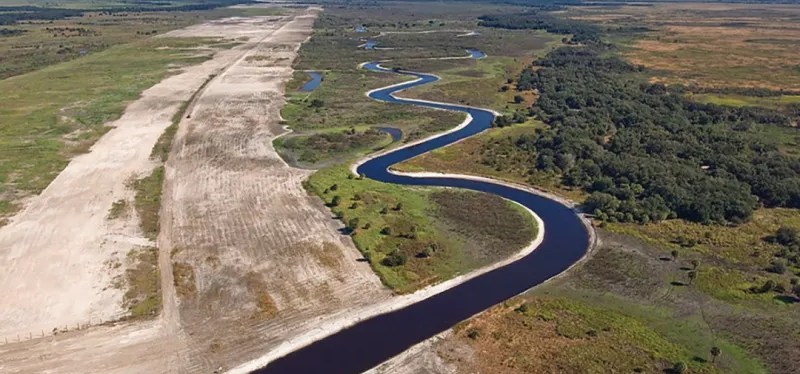
Rewinding the Kissimmee River

Published May 19th, 2023 at Harvesting Nature.

When country music artist, John Anderson, released his hit song Seminole Wind in 1992, his fans fell in love with it. Music is about storytelling, and Seminole Wind speaks of the Everglades’ history and ecological and cultural collapse.

“They made their plans and they drained the land. Now the glades are going dry.”

Anyone who has heard the song remembers these powerful lyrics. However, the true context was lost on folks that were unaware of the ecological damage that had been done “…in the name of flood control.” The Kissimmee River provides a cut-and-dried case study.

The Kissimmee River once snaked 103 miles south from its Lake Kissimmee headwaters to Lake Okeechobee. The river’s floodplain was a two-mile-wide wetland inundated by seasonal rainfall. This wetland corridor provided prime habitat for at least 38 species of waterbirds and 39 fishes. The life history of these species depended upon the wetlands1.

The “flood pulse concept” is an ecological process involving seasonal flooding and inundation of the lands surrounding a waterbody. Flooding delivers sediment and nutrients to the land, opens spawning habitat for fishes, and creates breeding and feeding opportunities for wildlife. Seasonal flooding also replenishes the water table and shallow aquifers.

As development spread through Central Florida in the mid-1900s, the Kissimmee River’s seasonal flooding became problematic for Florida’s economic growth. The state approached the US Army Corps of Engineers (USACE) with a request for assistance in draining the land for development2

Between 1962 and 1971, USACE channeled the Kissimmee River, creating a 30-foot deep, 300-foot wide, 56-mile-long drainage canal. This project drained approximately 50,000 acres of the Kissimmee’s floodplain wetlands3 and effectively ended the seasonal flood pulse. Within a few years, waterfowl populations dropped by 90 percent, bald eagle numbers by 70 percent, and some fish, bird, and mammal species vanished entirely2. Ironically, the canal system drained too well.

The formerly channelized Kissimmee River – photo by the South Florida Water Management District

“It messed up our water management infrastructure. Now, we drain so much water that when it’s dry, we don’t have enough water for our human needs. We over-drained, and so now we’re trying to rebuild the system where we’re going to catch water instead of wasting it when it’s wet”, said Paul Gray, Everglades Science Center Coordinator of Audubon Florida.

Beginning in the 1990s, USACE and its partners began cooperating to restore the Kissimmee River ecosystem. Coincidentally, Congress authorized the restoration in 1992 as Seminole Wind played through millions of FM radios and televisions.

More than 20 years and over $1 billion later, the restoration of approximately 44 miles of the Kissimmee River and 25,000 acres and 40 square miles of wetlands have been re-established and rehydrated1,2. The restored floodplain and wetlands now support at least 159 bird species3.

Re-winding a river is something rare and nearly impossible to accomplish, particularly at the scale of the Kissimmee River. Fortunately, in our modern world of “engineering with nature” and “nature-based solutions” to infrastructure problems, science and technology can cooperate with the environment to balance needs and functionality. The Kissimmee River restoration is the largest functioning restoration of its kind worldwide – something the USACE and Floridians can be proud of.

[1] Kissimmee River Project – Largest Restoration Initiative of its Kind – Complete After Nearly 30 Years | Audubon Florida

[2] The Kissimmee River has been brought back to life—and wildlife is thriving (nationalgeographic.com)

[3] Kissimmee River Project restores about 40% of river’s twists | South Central Florida Life

Feature Image Credit: US Army Corps of engineers, Jacksonville District

Is Avian Influenza Infecting Mammals Cause for Concern?

On February 9th, Colorado Parks and Wildlife (CPW) released information about various wildlife species testing positive for avian influenza. Among the critters found carrying the virus were a skunk, mountain lion, and black bear. All had died from the virus.

“All three of the confirmed cases showed signs of [avian influenza] before or after death including neurologic symptoms such as seizures or circling, general signs of illness such as weakness or lack of responsiveness to human presence, and organ damage including encephalitis, hepatitis, and pneumonia”, reported Travis Duncan with CPW.

The current strain of avian influenza is highly transmissible and was first detected in North America in wild geese in March 2022. In the past year, the virus has readily jumped from avian to mammalian species, which sounds alarming, but this phenomenon is not news.

Zoonotic diseases – diseases transmissible between humans and other animal species – are due to infectious agents that more than one species is susceptible to. Nearly every big game hunter is aware of disease transmission between livestock and elk – brucellosis and elk hoof disease are common examples. Transmissible spongiform encephalopathies cause diseases like scrapie in sheep, chronic wasting disease in deer and elk, mad cow disease, and Creutzfeldt-Jakob in humans. While these diseases are all different, the pathogenic vectors among species are typical and often include contact with bodily fluids or respiratory droplets.

The 2009 “swine flu” outbreak in the US was caused by the H1N1 influenza virus – the same virus that caused the “Spanish flu” in 1819. The swine flu virus appeared to be a new strain of H1N1 that resulted from a previous triple reassortment of bird, swine, and human flu viruses, which further combined with a Eurasian pig flu virus[1]. Miller et al. (2017)[2] identified 87 percent of swine pathogens listed by the World Organization for Animal Health cause clinical disease in livestock, poultry, wildlife, and humans.

Humans have contributed to zoonotic diseases through industrialization and the expansion of communities to accommodate the global population explosion[3]. Landscape development encroaches on wildlife and exposes species to pathogens through close contact with humans and livestock, etc.

Caserta et al. (2022)[4] tested white-tailed deer harvested by hunters for SARS-CoV-2 (COVID-19) during the 2020 and 2021 hunting seasons in New York State. Test results found only 0.6 percent virus occurrence in 2020, but 21.1 percent occurrence in 2021, including all three variants (Alpha, Gamma, and Delta). The variants were present in deer long after they had subsided in the local human population. This presents an example of wildlife acting as a “reservoir” for a virus that can infect other species. Still, it seems odd that a specific disease or pathogen can infect mammals, including humans, as well as birds.

Aquatic birds of the world are the reservoirs for all influenza A viruses, and the virus is spread by fecal-oral transmission in untreated water[5]. Transmission involves mutational or recombinational events and can occur through fecal contamination of unprocessed avian protein, e.g. animals preying upon infected birds or drinking contaminated water. The transmission of avian influenza viruses or virus genes to humans is postulated to occur through pigs that act as the intermediate host[5]. Once avian influenza viruses are established in mammals, they are transmitted from animal to animal by the respiratory airborne route.

While disease outbreaks and spread may be somewhat manageable among livestock and poultry populations, controlling disease spread in wildlife is complicated due to the free movement of wild animals. Brucellosis presents a textbook case study.

Cattle introduced brucellosis to the Yellowstone area in the early 1900s and transmitted it to local wildlife populations[6]. The disease has supposedly been eliminated from domestic livestock in the US, yet it remains in the bison and elk populations of the Greater Yellowstone Area[6]. Like many zoonotic diseases, brucellosis has not significantly threatened wildlife populations.

Understanding animal travel and contact networks is imperative to understanding a disease’s potential movement and risk – information that is not readily available for wild animals, particularly when facing a novel disease.

Researchers have studied ecological niche modeling as a means of predicting disease spread within and among wildlife populations, but data on levels of infection in wildlife are often scarce, open to bias, and insufficient for the assessment of cross-species transmission[7]. Complexities in wildlife populations including host movement, variation in host population size, density, and contact rates, unpredictable variation in climate, and species differences in the host–pathogen relationship lead to low model predictability.

Johnson et al. (2019)[8] found that adapting the traditional biotic, abiotic, and movement framework of ecological niche models by summarizing the interaction of three factors – dynamically linked biotic interactors, unlinked abiotic stressors, and dispersal capacity – improves model prediction capability. A practical application for common wildlife species seems unlikely; however, modeling disease spread with high predictability may allow wildlife managers to avoid significant population-level effects from novel and highly virulent pathogens for known distributions of threatened and endangered species.

The complexities involving host-pathogen interactions are utterly fascinating, but the discussion may be academic in the grand scheme of life and potential impacts on species at the population level. Animals and pathogens evolve continually together, each modifying their defense or attack strategy in a game of win, lose, or draw – the draw being the common outcome when an animal endures symptoms from the pathogen, recovers, and builds immunity.

Although unnerving, the cross-species spread of pathogens rarely leads to significant population-level effects. These interactions represent the pathology continuum that ebbs and flows through time. Take caution when handling game that appears to be sick and cook it thoroughly if it must be consumed.

You can read more about the effects of avian influenza on wild birds at Harvesting Nature.

Avian influenza – Unprecedented Spread Among Wild Birds – Harvesting Nature


[1] Trifonov V, H Khiabanian, and R Rabadan. 2009. Geographic dependence, surveillance, and origins of the 2009 influenza A (H1N1) virus. The New England Journal of Medicine 361 (2): 115–19.

[2] Miller, RS, SJ Sweeny, C Slootmaker, DA Grear, PA Di Salvo, D Kiser, and SA Shwiff. 2017. Cross-species transmission between wild pigs, livestock, poultry, wildlife, and humans: implications for disease risk management in North America. Scientific Reports 7:7821 | DOI:10.1038/s41598-017-07336-z.

[3] Fong, IW. 2017. Animals and mechanisms if disease transmission. In Emerging Zoonoses: Emerging Infectious Diseases of the 21st Century. Springer International Publishing DOI 10.1007/978-3-319-50890-0_2.

[4] Caserta, LC, M Martins, SL Butt, NA Hollingshead, LM Covaleda, S Ahmed, MRR Everts, KL Schuler, and DG Diel. 2022. White-tailed deer (Odocoileus virginianus) may serve as a wildlife reservoir for nearly extinct SARS-CoV-2 variants of concern. Proceedings of the National Academy of Science 120(6), https://doi.org/10.1073/pnas.2215067120.

[5] Webster, RG. 1997. Influenza virus: transmission between species and relevance to emergence of the next human pandemic In O Kaaden, C Czerny, and W Eichhorn, eds., Viral zoonoses and food of animal origin. Springer Vienna. https://doi.org/10.1007/978-3-7091-6534-8.

[6] Brucellosis – Yellowstone National Park (U.S. National Park Service) (nps.gov)

[7] Morgan, ER, M Lundervold, GF Medley, BS Shaikenov, PR Torgerson, EJ Milner-Gulland. 2006. Biological Conservation 131:244-254.

[8] Johnson, EE, LE Escobar, and C Zamrana-Torrelio. 2019. An ecological framework for modeling the geography of disease transmission. Trends in Ecology and Evolution 34(7):655-668. https://doi.org/10.1016/j.tree.2019.03.004.

*Feature Image Credit – USDA APHIS

Birds, Books, Setters, and Upland Hunting

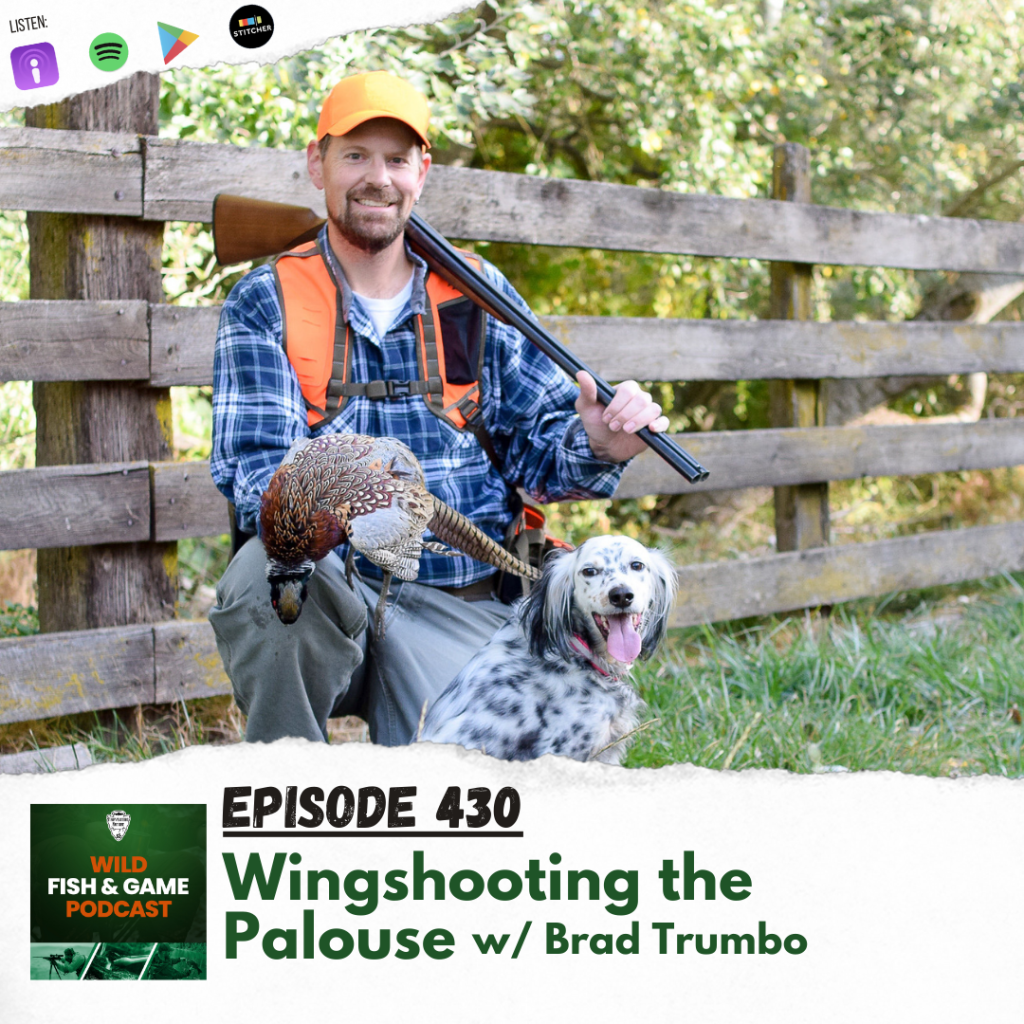
I’ve had the great pleasure to chat with the Crew at Harvesting Nature about Wingshooting the Palouse, and I believe you will enjoy the conversation. Give it a listen on the Wild Fish and Game Podcast.
Wingshooting the Palouse is available at Amazon.com.

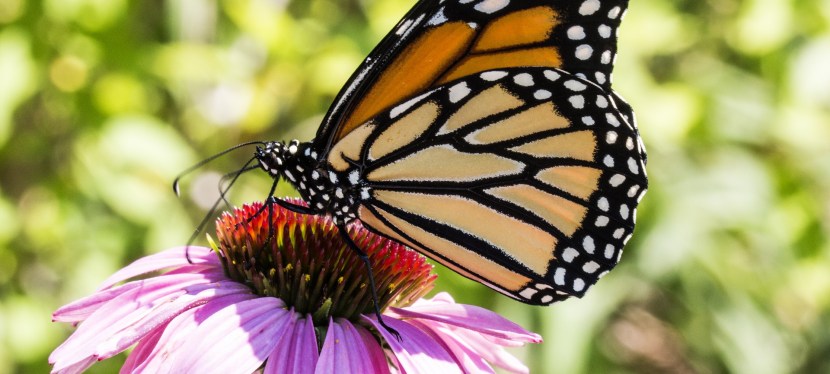
Western Monarch Butterflies see an Inspiring Rebound

Published at Harvesting Nature, February 10th, 2022.

In April 2021, I wrote a piece for Harvesting Nature on what appeared to be the imminent extinction of the western Monarch butterfly population. Only about 2,000 butterflies arrived on their southern California winter range in 2020 where approximately five million once clouded the skies and trees. When a population sees decline of this magnitude, coming back from the brink is rare, particularly in one breeding season, but it seems there is more to the story on the western monarch butterfly.
The 2021 Thanksgiving monarch count saw an unprecedented number of citizen scientists eager to help collect important population data. Across 283 count sites, the western monarch population estimate was over 247,000 individuals – a 100-fold increase in the 2020 count.

Given the monarch’s astonishing rebound, population limiting factors come into question. What was it about 2021 – a severe drought year in the western U.S. – that was somehow favorable to the marked population increase? According to Emma Pelton, the Western Monarch Lead with the Xerces Society, “There are so many environmental factors at play across their range that there’s no single cause or definitive answer…but hopefully it means we still have time to protect the migration.”

Weather likely played a factor. Dry spring and summer conditions can coax first-generation monarch butterflies out of their cocoons. “Those first-generation butterflies that breed in California and at Santa Cruz landmarks such as Lighthouse Field and Natural Bridges are crucial for the species’ population numbers to sustain” reported Hannah Hagemann of the Santa Cruz Sentinel.

While the 2021 count was inspiring, the population increase should be taken with caution. The Western Monarch Butterfly Conservation Plan identifies a five-year-average winter count of 500,000 butterflies to represent a sustainable population. Additionally, the U.S. Fish and Wildlife Service is still on track to propose an Endangered Species Act listing for this iconic transcontinental butterfly in 2024.

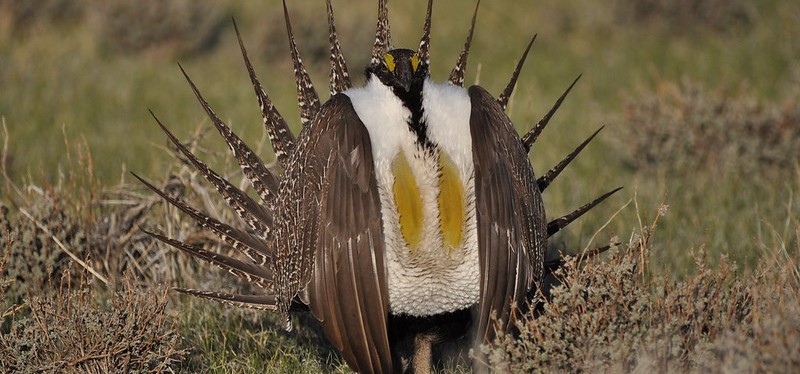
Sage Grouse Translocation Reverses Population Decline

Published at Harvesting Nature, November 26th, 2021.

Think you’ve heard it all when it comes to greater sage grouse conservation? Think again. When an icon of the sagebrush ecosystem becomes imperiled, conservation dollars flow to the far corners of habitat and population research to find solutions to species sustainability and persistence.

Mary Meyerpeter and colleagues with the US Geological Survey and Idaho State University are currently studying translocation to stabilize or even grow two declining sage grouse populations on opposite fringes of their North American distribution. The “Bi-State” population on the California-Nevada border was selected as a small, isolated group facing low hatch success and overall decline. A North Dakota population was selected after a suffering a severe West Nile Virus outbreak, reduced the population.  

Wildlife translocation has been a tool in the scientific toolbox longer than the words “science” and “research” have been in existence, and with this tool comes many benefits to imperiled populations. Declining genetic diversity and abundance of reproductive individuals are two challenges recipient populations typically face that may be overcome by translocation. Precisely what Meyerpeter et al. had in mind, coupled with estimating the population-level effects of introducing new individuals to the imperiled populations, and removing individuals from the donor populations.    

From 2017 through 2019, the Bi-State population received 68 adults and 125 chicks from a nearby source population, while the North Dakota population received 137 adults and 66 chicks from an interior Wyoming population. The populations were monitored across the translocation period and continue to be monitored.

Photo by the US Fish and Wildlife Service

Preliminary study results suggest that translocation efforts have been successful for the recipient populations. The Bi-State population increased 160 percent with egg hatch success increasing from 31 percent to 86 percent. Similarly, the North Dakota population increased 188 percent compared to pre-translocation estimates.

The Bi-State donor population declined 31 percent following translocations, which may have been attributed to that population also being relatively small, among other potential factors. The Wyoming donor population showed no change.

Translocation results are considered preliminary until a monitoring period of up to five years has documented population responses, but the results appear promising. Additionally, successful translocation coupled with habitat restoration can perpetuate the species and play a role in range expansion into historic habitats.

Northern Long-eared Bats Survive White-nose Syndrome in Man-made Habitats

Published in August 2021 @HarvestingNature

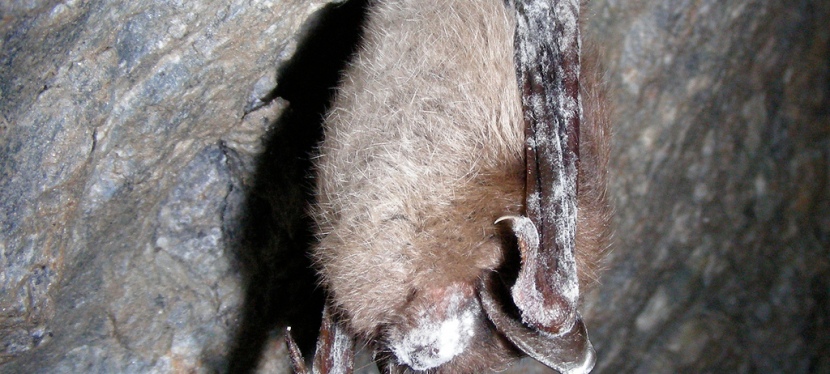
Since its first identification in a cave in New York in 2006, white-nose syndrome (WNS) in bats has caused significant population declines. White-nose syndrome is caused by a fungus, Pseudogymnoascus destructans, that infects the skin of the muzzle, ears, and wings of hibernating bat species across 35 states and seven Canadian provinces at present[1]. The fungus thrives in cold, damp conditions, perfectly suited for winter cave hibernacula. As it grows, the fungus causes changes in hibernating bats that make them become more active than usual and burn fat they need to survive the winter[2].

Northern long-eared bats (Nyctophilus arnhemensis) suffered a 95 percent population decline in New England between 2006-2012 due to WNS, and are now listed as “threatened” under the Endangered Species Act. Similar declines have been document in the little brown bat (Myotis lucifugus), among others.

While studying WNS and bats in their winter hibernacula, researchers tracked a small number of bats hibernating in home crawl spaces, basements, and other structures like concrete culverts in Martha’s Vineyard, Nantucket, and Long Island, New York. Luanne Johnson with Biodiversity Works reported that these bats were surviving the winter even when affected by WNS.

Crawl-spaces with dirt floors and homes with block foundations and BILCO style hatch doors are attractive bat hibernacula. Uninsulated foundations provide the proper temperature and humidity, allowing bats to hibernate all winter, where insulated foundations were used occasionally. Bats were tracked leaving the hibernacula occasionally in late winter in Martha’s Vineyard where water was available year-round, but the bats returned to continue hibernation and survived to spring.

Unlike WSN-affected bats wintering in cave hibernacula, bats also affected by WSN and utilizing man-made hibernacula maintained good weight and overall health throughout the winter. Some bats were tracked for up to three years without suffering severe complications from WNS. Another behavioral distinction between cave-dwelling bats and those selecting human homes is that the bats wintering in crawl spaces were tracked foraging much later in the fall, meaning these bats may have entered hibernation with better fat stores for a shorter hibernation period.

Additionally, Auteri and Knowles (2020)[3] found genetic evidence of little brown bats evolving with WNS. Allelic frequencies showed significant shifts in survivors for regulating arousal from hibernation, fat breakdown, and vocalizations.  Studies by Biodiversity Works and their partners suggest that bats hibernating in homes are less likely to succumb to WNS, allowing more time for bats to evolve to survive the disease. Therefore, Biodiversity Works is working with homeowners tolerant of bats to potentially treat the WNS fungus on their property and construct new hibernacula onsite if homeowners want the bats out of their basement. Also, they are working with contractors and homeowners to heighten awareness of bats hibernating in homes to minimize potential harm from construction or remodels.


[1] White-Nose Syndrome (usgs.gov)

[2] White-Nose Syndrome (whitenosesyndrome.org)

[3] First genetic evidence of resistance in some bats to white-nose syndrome, a devastating fungal disease — ScienceDaily

Flurries and Tail Feathers Inspire Future Upland Hunters

The Blue Mountain Pheasants Forever Chapter (Chapter) held their annual youth hunt at Clyde Shooting Preserve November 8th. The Chapter-sponsored event is typically held in September during the early Washington Department of Fish and Wildlife-designated youth hunt weekend, but fire danger this year resulted in the September hunt being canceled. A lucky break for this year’s attendees.

An inch of snow blanketed the Walla Walla Valley as folks awoke in preparation for the hunt. Twenty youth attendees and their families arrived from as far as Tri-Cities to attend the coveted event. Kit Lane, owner of Clyde Shooting Preserve, welcomed his guests in fine fashion with a bonfire outside, and a shelter with seating and large fire pit surrounded by a lovely brick hearth, blazing warmly to cut the chill.

Friends and families scattered about the yard, toasting hands and bottoms over the bonfire. Stories and laughter echoed among the buildings, setting a celebratory mood.

Fields were stocked and parties assembled to follow the skilled and stylish canines careening across the white-washed prairie. Snow fell in force as the initial hunters embarked, many first-timers eager to experience what the upland hype is all about.

Chapter volunteer Randy Snyder explains the retrieving basics to a youth hunter following a successful retrieve by his golden retrievers.

Through snowflakes and windchill, pointing dogs struck statuesque poses while flushing dogs encircled, pushing stunningly-plumed fowl skyward. Wily roosters took to wing as pump guns and doubles tracked.

The occasional bird came to hand by means of luck and skill, sometimes both cooperating harmoniously. Retrieves of all kinds, some at length and some nearby, aided young hunters in securing their airborne quarry. And true to the hunt, a number of birds exacted daring escapes into the hills surrounding the canyon bottom as hunters looked in awe and puzzlement.

Eight waves of hunters passed through the golden range. Experienced mentors handled bird dogs, orchestrated hunts and imparted lessons of firearms and shooting safety. All in attendance enjoyed opportunity and real-time coaching to improve accuracy.

Bird hunting is a balance of chaos for the well-seasoned, let alone someone new to working dogs and kicking up a colossal, boisterous, flailing bird capable of reaching 55 miles-per-hour flight speed in seconds.

While some first-timers were unable to connect, their skill across the hunt improved markedly, becoming accustomed to their scatterguns, dog behavior and the adrenaline-pumping rush of an explosion of cackles and tail feathers trailed closely by a flash of driven fur and wagging tails.

A savvy yellow lab retrieves a rooster to hand.

Hunters were all smiles as they parted the fields, eager for the warmth of the truck heater, excitedly recalling the events with a clarity known only to those stricken with the same fiery passion for the hunt. Fortunate hunters selflessly shared their bounty with their unlucky field mates. And talk of next year already on the lips of those eager for another chance.

The Chapter appreciates Kit and Cindy Lane, our membership and the assistance of other volunteer mentors who selflessly sacrificed their day to share the magic of the uplands. Without the support of these fine folks, and the revenue from Chapter fundraiser supporters, this coveted opportunity to inspire the hunters and conservationists of tomorrow would not be possible.