
The Northwest Outdoor Writers Association (NOWA) held its annual conference Friday, May 2nd through Sunday, May 4th, at the Columbia River Hotel in The Dalles, Oregon. For three days, some of the Northwest’s top outdoor writers, authors, photographers, videographers, and radio and podcast personalities gathered to discuss the future of their industry and craft.
The conference opened with a fine meal at the Portage Grill, followed by a keynote speech by author, poet, and publisher, Rick Steber, who exemplified excellence in storytelling. Rick is not only gifted in his ability to research people and history and share those stories in engaging detail, but the delivery of his many favorite interviews of historical figures (including voice impersonations) was both comical and fascinating.

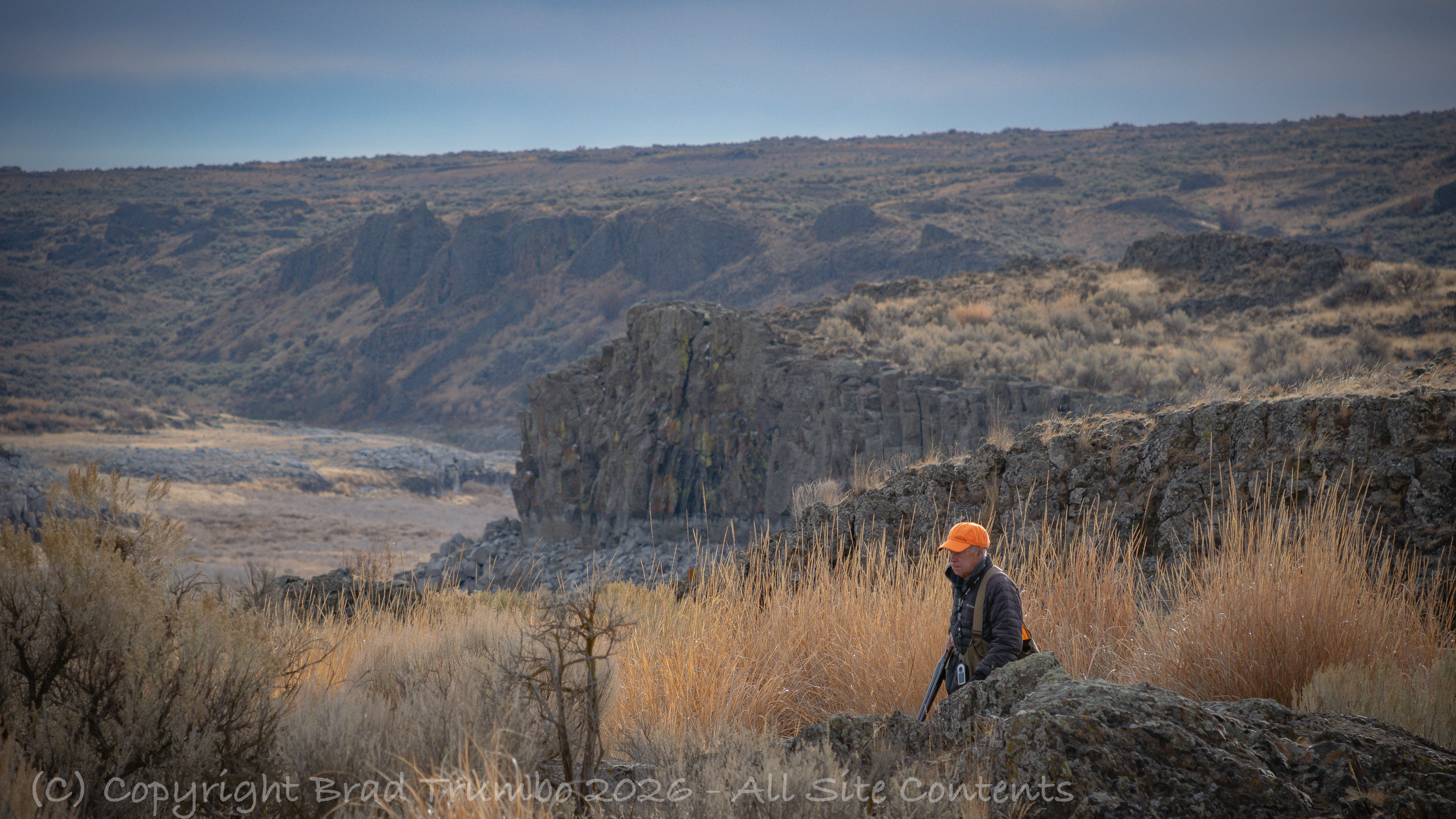
Trumbo captured this image while hiking at dawn on Rowen Crest just south of The Dalles, Oregon.
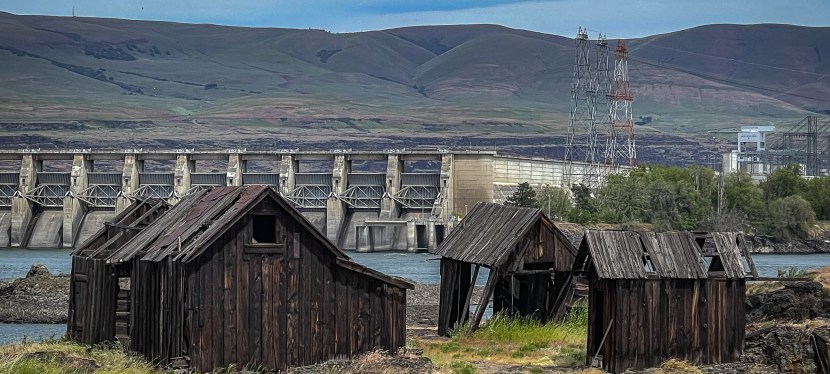
Over the following days, NOWA members sprinkled across the Columbia River Gorge to experience all The Dalles has to offer, such as the National Neon Sign Museum, hiking among the wildflowers and scrub oaks of the rugged river corridor, visiting ancient petroglyphs at Horsethief Lake, and fishing the spring Chinook salmon rodeo at Washington’s Drano Lake.
When not collecting memories, photographs, and fodder for future publications and videos, the outdoor media professionals gathered to share tips and tricks on improving one’s engagement and reach – facets of “Excellence in Craft”- and share business model ideas and successes. Excellence in Craft presentations included George Krumm, editor of Fish Alaska and Hunt Alaska magazines, who discussed how to land pitches and build relationships with editors. Brad Trumbo shared his rise in the outdoor writing and photography realm and engagement with his readers, thanks to his Llewellin setter bird dogs.
NOWA held its annual Excellence in Craft awards banquet Saturday, May 3rd, where 61 achievements were recognized, ranging from “Column of the Year” to the best outdoor photos, videos and humor pieces. The awards banquet offers an opportunity to see where talented outdoor content creators stand among their peers, provides “street cred” for marketing, and offers a fine payout for those who rank high in many categories. It’s a coveted experience for this highly talented group to share camaraderie with friendly competition.
This year’s Excellence in Craft award winners can be found here: https://nowaoutdoors.com/eic-winners-by-category/.

Trumbo’s image of a black-chinned hummingbird hovering over Columbine flowers took 1st place in NOWA’s Excellence in Craft “Fauna” photo category.
The weekend closed with NOWA President Troy Rodakowski presiding over Sunday morning’s membership and business meeting. During this meeting, Rodakowski assumed the position of NOWA’s Chairman of the Board of Directors as he passed the gavel to NOWA’s incoming President, Brad Trumbo.
With the annual conference behind them, NOWA’s new year begins with anticipation of next year’s conference, which is already being planned. Additionally, Trumbo brings new ideas to NOWA’s structure and attempts to engage younger generations as the organization adapts to the evolution of outdoor media.
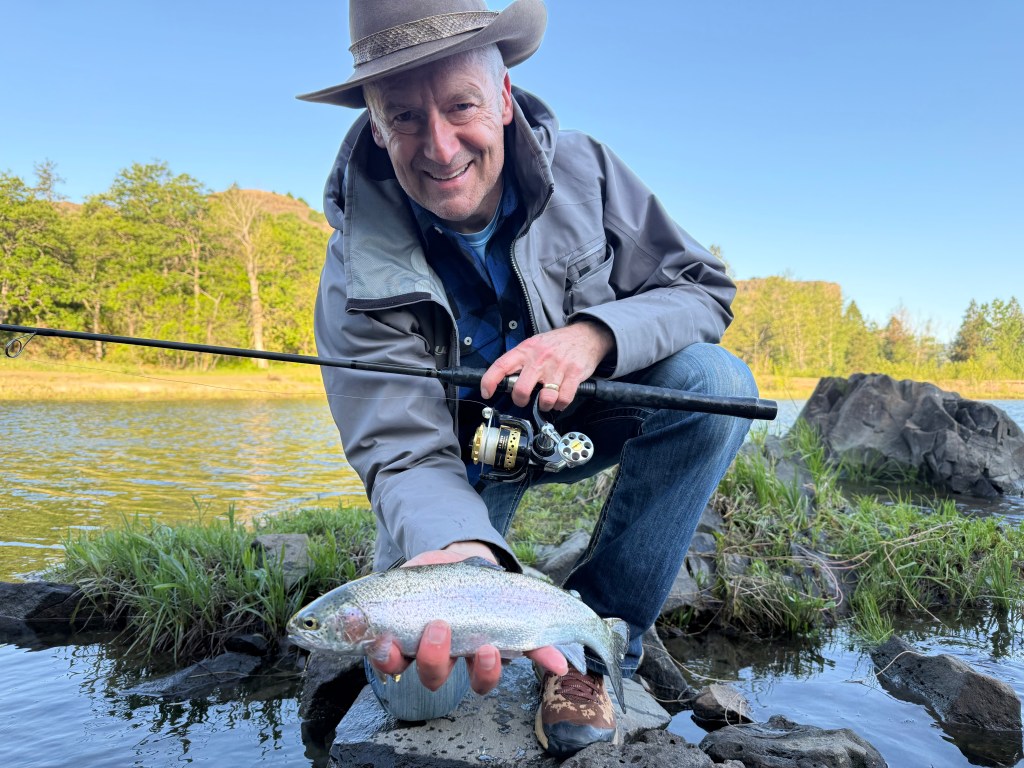
Gary Lewis, award winning author, freelance writer, podcaster, and host of the Frontier Unlimited TV show, found time for trout fishing before the Sunday morning meeting.
If you’re an outdoor content creator living in Oregon, Washington, Idaho, Montana, or BC Canada and want to learn from and contribute to this charismatic and savvy collection of media professionals, email NOWA’s Executive Director, Keith Szafranski, at photogsz@msn.com. Your creativity and energy will be welcomed by this prestigious cadre.
###
The Northwest Outdoor Writers Association is a society of professional outdoor communicators dedicated to the pursuit of excellence in outdoor media. NOWA strives to further the improvement of professional communications skills and encourage their ethical employment. NOWA also provides a network of professional assistance and support, keeps members informed of news and information pertinent to outdoor activities and industries, and supports the conservation of natural and recreational resources. Visit https://nowaoutdoors.com/ and find us on Instagram @NOWAOutdoors.

 Palouse Upland Media